
Water Distribution That Supports Healthy Growth
Irrigation system installation in Charleston designed for plant needs, soil type, and seasonal rainfall patterns.
When your landscape dries out in summer heat or you are hand-watering new plantings every evening in Charleston, you need an irrigation system that delivers water where roots actually need it, on a schedule that accounts for soil drainage and plant type. Clay soil holds moisture longer than sandy soil, and mature shrubs need less frequent watering than new sod or perennials still establishing. Southeastern Landscape Concepts installs custom irrigation layouts with zone control, so you can adjust coverage based on sun exposure, plant maturity, and seasonal weather without overwatering or leaving dry spots.
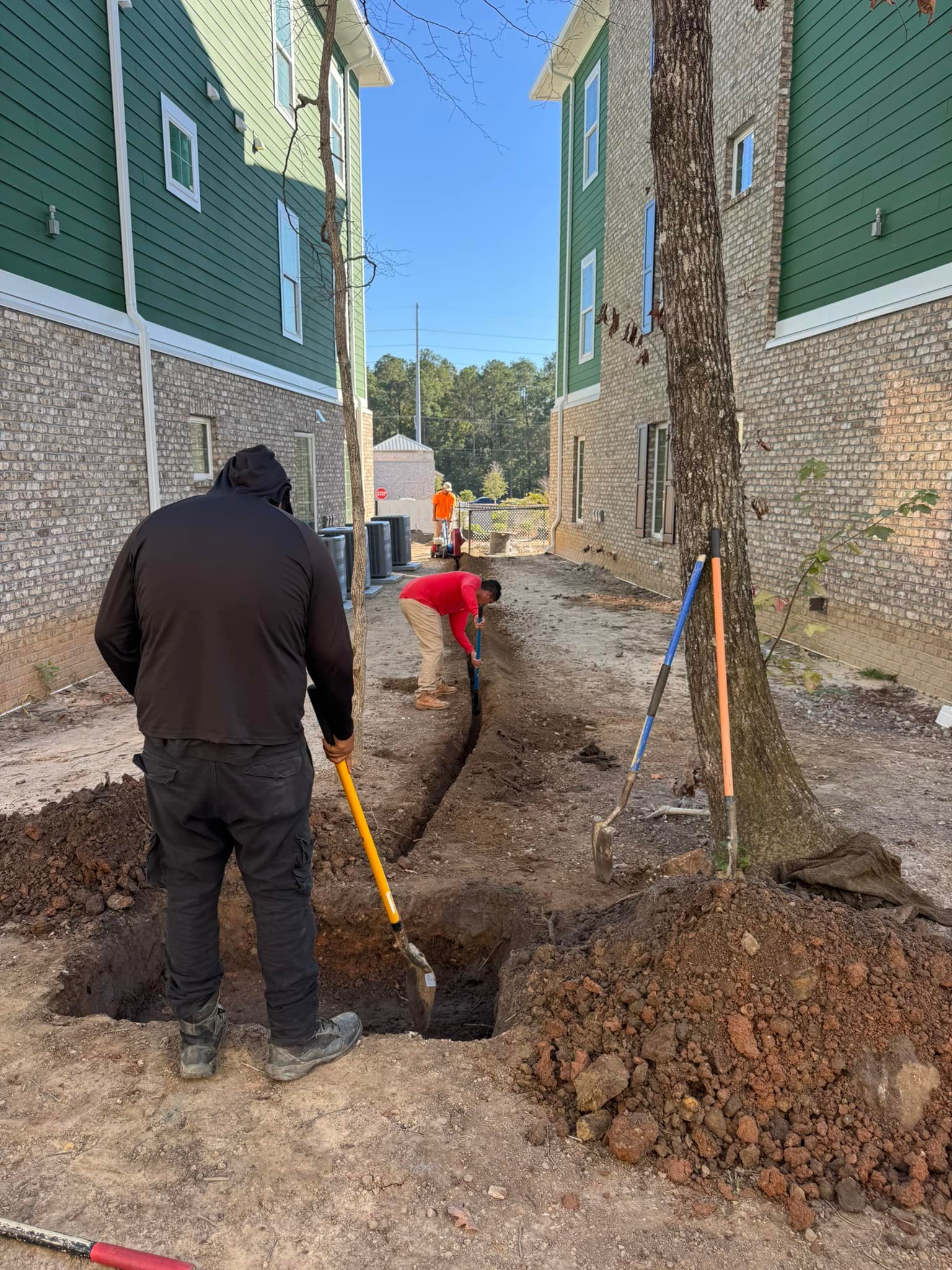
Irrigation installation includes site assessment to map zones, trenching for mainline and lateral pipes, installation of sprinkler heads or drip emitters based on plant type, and controller setup with programmable run times. The system is sized to your property and water source, whether that means municipal supply or a well with limited flow rate. In Charleston, where summer storms provide irregular rainfall and drought periods can stress landscapes, a properly designed system reduces water waste and keeps plants from wilting between rain events.
If you are ready to stop dragging hoses and start watering efficiently, reach out to schedule an irrigation consultation and site evaluation.
How Zone Layout and Coverage Affect Water Use
Your irrigation installation in Charleston begins with a site walk to identify plant types, sun and shade areas, and soil drainage patterns. The crew maps zones based on watering needs, then trenches for pipe installation and places sprinkler heads or drip lines to cover planting beds and turf without overspray onto hardscapes or structures. The controller is programmed with zone run times that account for soil type and plant maturity, and you receive instructions for seasonal adjustments.
After installation, you will notice that plants receive consistent water without dry patches or puddling, and you no longer need to move hoses or set timers manually. The system runs on a schedule that delivers water in early morning when evaporation is low and wind is calm, so more moisture reaches roots instead of disappearing into the air. Properly zoned irrigation also prevents overwatering, which reduces fungal disease and root rot in areas with poor drainage.
Southeastern Landscape Concepts coordinates irrigation installation with landscape and hardscape work so that pipes and valves are placed before planting or paving begins. The team does not handle well drilling or backflow preventer certification, but they do install backflow devices and pressure regulators to meet local code. Each system includes a final test to confirm head coverage, check for leaks, and adjust spray patterns before the controller is programmed and handed over.
Clients usually want to know how much water the system uses, what maintenance is required, and whether it works with well water or municipal supply. The answers depend on system design and property size, but most residential installations require only seasonal adjustments and occasional head cleaning once they are running.
Questions Property Owners Ask Before Installing Irrigation
Why does soil type matter for irrigation in Charleston?
Charleston soil is often clay-heavy, which drains slowly and holds moisture longer than sandy soil. You will need shorter, more frequent watering cycles to avoid runoff and ensure water soaks in rather than pooling on the surface.
Fall and winter are ideal for installation in Charleston, with cooler weather and less disruption to established landscapes. Installing irrigation before spring planting ensures new plants receive consistent water from the start.
If your property needs an irrigation system that delivers water efficiently and keeps landscapes healthy through summer heat, Southeastern Landscape Concepts can design a layout based on your plant types, soil conditions, and water source. The team installs systems built for Charleston climate and coordinates with landscape installation to keep timelines on track.